Contents
- 1 The Complete Beginner’s Guide
- 1.1 Introduction: Why Managing a YouTube Channel Matters More in 2026
- 1.2 What Does “Managing a YouTube Channel” Really Mean?
- 1.3 How YouTube Works in 2026 (Simple Explanation)
- 1.4 Step 1: Choose the Right Channel Focus
- 1.5 Step 2: Content Planning for 2026
- 1.6 Step 3: Creating Videos That People Want to Watch
- 1.7 Step 4: Thumbnails and Titles in 2026
- 1.8 Step 5: Descriptions and Tags (Still Important)
- 1.9 Step 6: Managing YouTube Shorts in 2026
- 1.10 Step 7: Upload Schedule and Consistency
- 1.11 Step 8: Understanding YouTube Analytics (Easy Way)
- 1.12 Step 9: Community Building
- 1.13 Step 10: Monetization in 2026
- 1.14 Step 11: Using AI Tools for Managing
- 1.15 Step 12: Common Mistakes to Avoid
- 1.16 Step 13: Long-Term Growth Strategy
- 1.17 Step 14: Legal and Safety Basics
- 1.18 Step 15: Managing Time as a Creator
- 1.19 Step 16: How Beginners Can Start Today
- 1.20 Step 17: Future Trends in YouTube Management
- 1.21 FAQs
- 1.21.1 What does managing a YouTube channel mean?
- 1.21.2 How often should I upload in 2026?
- 1.21.3 Is YouTube still worth starting in 2026?
- 1.21.4 Do I need expensive equipment?
- 1.21.5 How long should my videos be?
- 1.21.6 Are YouTube Shorts necessary?
- 1.21.7 How can I grow faster?
- 1.21.8 Can AI fully manage my YouTube channel?
- 1.21.9 What is the most important metric to watch?
- 1.21.10 How long does it take to grow a channel?
- 1.21.11 Should I focus on money or growth first?
- 1.21.12 What is a niche and why is it important?
- 1.21.13 Is SEO still important for YouTube?
- 1.21.14 Can small channels compete with big channels?
- 1.21.15 What is the biggest mistake beginners make?
- 1.22 Final Thoughts
The Complete Beginner’s Guide
Managing your YouTube channel in 2026 means planning your content, using smart tools, understanding your audience, and following new platform rules so your videos reach more people and grow steadily. It includes creating videos, optimizing titles and thumbnails, tracking performance, and building a loyal community. Good managing helps you save time, improve quality, and turn views into long-term success.
Introduction: Why Managing a YouTube Channel Matters More in 2026
YouTube in 2026 is more competitive than ever. Millions of new videos are uploaded every day. Viewers have more choices. Algorithms are smarter. AI tools are everywhere.In 2026, YouTube is no longer just a video platform. It is a search engine, a learning platform, and a business tool. People now use YouTube to learn skills, find reviews, and get daily information. Because of this, creators must think like managers, not just entertainers. Managing a channel well helps you compete with big creators, build trust with viewers, and create content that lasts for years instead of days.
This means one thing:
You cannot grow by posting random videos anymore.
You must learn proper managing:
- What to post
- When to post
- How to improve
- How to grow
- How to earn
This guide explains everything step by step. You do not need technical knowledge. You do not need expensive tools. You only need a clear system.
What Does “Managing a YouTube Channel” Really Mean?
Managing a YouTube channel is not just uploading videos.
It includes:
- Planning your content
- Creating and editing videos
- Writing titles and descriptions
- Designing thumbnails
- Posting on a schedule
- Studying analytics
- Replying to comments
- Improving based on results
Managing also means making decisions based on data, not guesses. You must look at what works and what fails. This includes testing different titles, trying new video styles, and adjusting your content based on viewer behavior. A managed channel grows slowly but safely, while an unmanaged channel depends only on luck or trends.
Think of your channel like a small business.
You are:
- The creator
- The manager
- The marketer
Good managing = steady growth.
How YouTube Works in 2026 (Simple Explanation)
The Algorithm in 2026
YouTube now focuses more on:
- Watch time
- Viewer satisfaction
- Topic authority
- Returning viewers
- Real engagement
It does not just push viral videos.
It pushes useful and trusted creators.
YouTube now uses smarter systems to judge content quality. It checks how long people watch, whether they skip, and if they return to your channel later. This means creators must focus on keeping viewers interested, not just getting clicks. A video with fewer views but high watch time can perform better than a viral video that people leave quickly.
What YouTube Wants
YouTube wants:
- Videos that keep people watching
- Channels that post regularly
- Content that solves problems or entertains clearly
- Honest, original creators
If your channel helps viewers, YouTube helps your channel.
Step 1: Choose the Right Channel Focus
Pick One Clear Topic
Your channel should answer one main question:
Who is this for and what do they get?
Good examples:
- Tech tutorials
- Cooking recipes
- Fitness at home
- Study tips
- Gaming guides
- Christian thought videos
- Digital marketing lessons
Bad example:
- One video about cooking
- One about cars
- One about memes
- One about school
This confuses both people and YouTube.
A focused channel builds authority faster. When all your videos talk about one topic, YouTube understands your expertise and shows your content to the right people. This also makes it easier for viewers to trust you. Over time, your channel becomes known for one clear purpose instead of many random ideas.
Know Your Viewer
Ask:
- What age are they?
- What problem do they have?
- What do they search on YouTube?
Your videos must talk to one type of person, not everyone.
Step 2: Content Planning for 2026
Types of Content That Work Well
In 2026, these formats perform strongly:
- Tutorials and how-to videos
- Explainer videos
- Shorts (vertical videos)
- Podcasts and talk-style videos
- Reaction and review videos
- Educational storytelling
Planning helps avoid stress and burnout. When you know what to post next, you save time and energy. A content plan also helps you balance different types of videos, such as educational videos, motivational videos, and short updates. This keeps your channel fresh while still staying on the same main topic.
Build a Simple Content Plan
Make a list of:
- 30 video ideas
- Group them by topic
- Decide posting days
Example:
- Monday: Tips video
- Wednesday: Tutorial
- Friday: Short video
Consistency beats perfection.
Step 3: Creating Videos That People Want to Watch
Video Structure (Simple Formula)
- Hook (first 5 seconds)
Tell what the video gives. - Main content
Explain step by step. - Ending
Summarize and invite action.
Good videos are not about being perfect. They are about being clear. Viewers care more about understanding your message than about fancy editing. A well-structured video helps viewers stay longer, which increases your chances of being recommended. Over time, your speaking style and confidence will naturally improve.
Keep Language Simple
- Short sentences
- Clear words
- One idea per line
Pretend you are teaching a friend.
Step 4: Thumbnails and Titles in 2026
Thumbnails and titles act like the cover of a book. They decide whether people click or ignore your video. In 2026, simple and emotional thumbnails work better than crowded designs. Your title should promise one clear benefit so viewers know exactly what they will gain by watching.
Thumbnails
Good thumbnails:
- One main face or object
- Big text (2–4 words)
- Strong emotion
- Clean background
Avoid:
- Too much text
- Blurry images
- Dark colors
- Small fonts
Titles
Good titles:
- Clear meaning
- One main idea
- Includes keyword naturally
Examples:
- How to Edit Videos on Phone in 2026
- 5 Mistakes New YouTubers Make
- Best Camera Settings for YouTube
Step 5: Descriptions and Tags (Still Important)
Descriptions help YouTube understand your video topic clearly. They also help your video appear in search results. A good description explains what problem the video solves and who it is for. Tags support this by adding related words and phrases that people may type into search.
Description
First 2 lines should explain:
- What is the video about?
- Who is it for?
Later lines:
- Add details
- Add related keywords
- Add chapters if needed
Tags
Tags help YouTube understand your topic.
Use:
- Main keyword
- Related words
- Common misspellings
Do not spam.
Step 6: Managing YouTube Shorts in 2026
Shorts are now a discovery tool, not just entertainment. Many viewers find new channels through Shorts and later watch long videos. Shorts should highlight one useful idea or moment from your main content. When used correctly, they act like free advertisements for your channel.
Shorts are powerful for:
- Reaching new people
- Getting subscribers
- Testing ideas
Tips:
- 7–20 seconds works best
- Add text on screen
- Use trending sounds wisely
- Post daily or often
Shorts bring traffic.
Long videos build trust.
You need both.
Step 7: Upload Schedule and Consistency
A regular upload schedule builds trust. When viewers know when to expect new videos, they return more often. This also helps YouTube predict your activity and recommend your content more steadily. Even one video per week is powerful if you keep it consistent for months.
Best Practice
- Pick 2 or 3 days per week
- Same time each day
- Tell your audience
Example:
“New videos every Tuesday and Friday.”
This builds habit.
Step 8: Understanding YouTube Analytics (Easy Way)
Analytics show how people react to your content. They tell you which topics work and which fail. By studying your best-performing videos, you can create more content on similar ideas. Analytics turn YouTube into a learning system instead of a guessing game.
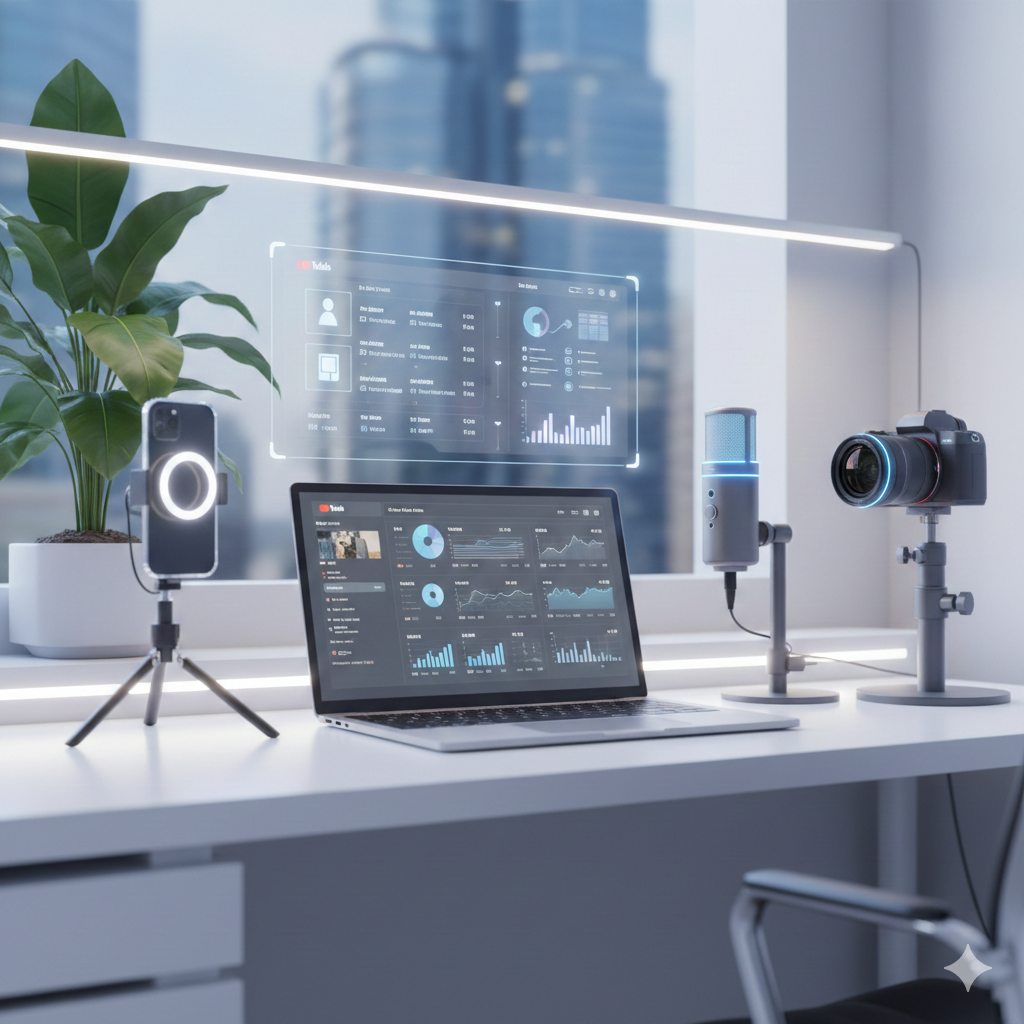
Key metrics to watch:
- Watch time
- Click-through rate
- Average view duration
- Subscribers gained
- Returning viewers
Ask:
- Which video got most watch time?
- Which title worked best?
- Where do people leave?
Improve based on answers.
Step 9: Community Building
A strong community makes your channel stable. Even if one video performs poorly, loyal viewers will still watch and support you. Talking with your audience helps you understand their problems and interests. This makes your future content more accurate and useful.
Reply to Comments
- Thank viewers
- Answer questions
- Pin good comments
This builds trust.
Use Community Tab
Post:
- Polls
- Questions
- Updates
- Short thoughts
This keeps your channel alive even without videos.
Step 10: Monetization in 2026
Monetization is not only about ads. Many creators earn more from products and services than from YouTube itself. When you solve a problem for your audience, they are willing to support you financially. Trust is the real currency behind income.
Ways to earn:
- Ad revenue
- Affiliate links
- Brand deals
- Selling courses
- Digital products
- Memberships
- Live streams
Do not rush money.
Build value first.
Step 11: Using AI Tools for Managing
AI tools save time but need human judgment. They can suggest ideas and speed up work, but they cannot understand emotions or audience needs fully. Creators who combine AI efficiency with personal experience will perform better than those who rely on automation alone.
AI helps with:
- Video ideas
- Scripts
- Titles
- Editing
- Subtitles
- Thumbnails
But:
- Do not copy blindly
- Always add your voice
- Check facts
- Be original
AI is a helper, not a creator.
Step 12: Common Mistakes to Avoid
Most mistakes come from impatience. Many creators quit after a few weeks because they do not see fast results. Others copy trending content without understanding their audience. Avoiding these mistakes helps you build a long-term channel instead of a short-term experiment.
- Copying other creators
- Posting without plan
- Ignoring analytics
- Chasing viral trends only
- Not improving quality
- Giving up too early
YouTube growth is slow but steady.
Step 13: Long-Term Growth Strategy
Long-term growth means thinking in months and years, not days. Each video should add value to your channel library. Over time, your old videos can continue bringing views and subscribers. This creates passive growth even when you are not uploading daily.
Focus on:
- One niche
- One style
- One audience
Improve:
- Camera
- Audio
- Story
- Editing
- Confidence
Every 30 videos, review your progress.
Step 14: Legal and Safety Basics
Following rules protects your channel from strikes and bans. Many creators lose channels because they use copyrighted music or misleading content. Staying legal keeps your work safe and builds professional credibility.
You must:
- Use copyright-free music
- Avoid reusing others’ videos
- Respect community rules
- Avoid fake claims
- Mark ads clearly
Your channel is your reputation.
Step 15: Managing Time as a Creator
Time management allows you to balance YouTube with studies or work. Creating in batches reduces daily pressure. A simple routine makes content creation easier and more enjoyable instead of stressful.
Create in batches:
- Script 5 videos
- Record together
- Edit together
- Schedule uploads
This saves time and stress.
Step 16: How Beginners Can Start Today
Starting today is better than waiting for perfect tools. Your first videos may not be great, but they help you learn. Every video improves your skills and confidence. Progress matters more than perfection.
- Choose your topic
- Create 3 videos
- Design simple thumbnail
- Write clear title
- Upload and share
- Learn from results
- Repeat
Do not wait for perfection.
Step 17: Future Trends in YouTube Management
Future YouTube growth will depend more on trust and usefulness than tricks. Viewers will follow creators who educate, inspire, or guide them. Channels that focus on helping people will stay relevant even as algorithms change.
In 2026:
- AI search is stronger
- Voice search is growing
- Educational content grows
- Personal brands matter
- Shorts stay powerful
- Trust beats tricks
Channels that help people win.
FAQs
What does managing a YouTube channel mean?
Managing a YouTube channel means planning, creating, uploading, and improving videos while tracking performance and engaging with viewers. It includes content strategy, SEO, and community building.
How often should I upload in 2026?
Uploading 2–3 times per week is ideal for most beginners. Consistency is more important than frequency.
Is YouTube still worth starting in 2026?
Yes, YouTube is still growing. New creators can succeed by focusing on useful content and a clear niche.
Do I need expensive equipment?
No. A smartphone with good lighting and sound is enough to start. Quality matters more than gear.
How long should my videos be?
It depends on the topic. Most educational videos work well between 5 and 12 minutes.
Are YouTube Shorts necessary?
Yes. Shorts help reach new audiences fast and increase channel discovery.
How can I grow faster?
Post consistently, improve thumbnails and titles, study analytics, and make videos that solve real problems.
Can AI fully manage my YouTube channel?
No. AI can help, but human creativity and decision-making are still needed.
What is the most important metric to watch?
Watch time is very important because it shows how long people stay on your videos.
How long does it take to grow a channel?
Most channels see real growth after 3–6 months of consistent posting.
Should I focus on money or growth first?
Focus on growth and value first. Money comes after trust is built.
What is a niche and why is it important?
A niche is your main topic area. It helps YouTube know who to show your videos to.
Is SEO still important for YouTube?
Yes. Titles, descriptions, and topics still help YouTube understand your video.
Can small channels compete with big channels?
Yes. Small channels win by being specific, helpful, and consistent.
What is the biggest mistake beginners make?
Posting without a plan and quitting too early.
Final Thoughts
Managing your YouTube channel in 2026 is not about luck.
It is about:
- Planning
- Learning
- Improving
- Helping your audience
If you treat your channel like a long-term project, it can grow into a strong personal brand or business.
- Start small.
- Stay consistent.
- Learn from every video.
That is real managing.
About The Author:
Abishek D (digitalabishek.com) is the Best Digital Marketing Freelancer in Salem, and his articles in Linked In (https://www.linkedin.com/in/abishek-d-7019752ba), and Medium (https://medium.com/@abishekrichards) will help to know more about Digital Marketing Tactics. He helped his Youtube channel clients to reach a great milestone with proper content management and Reputation management, also he works at Trend loud (https://trendloud.com/) The Best MCN agency in India, and also the Best Youtube channel management company in India.